Week of Fashion South Africa Marks a Defining Shift for African Fashion
- Thokozile Mabuza

- May 19
- 3 min read

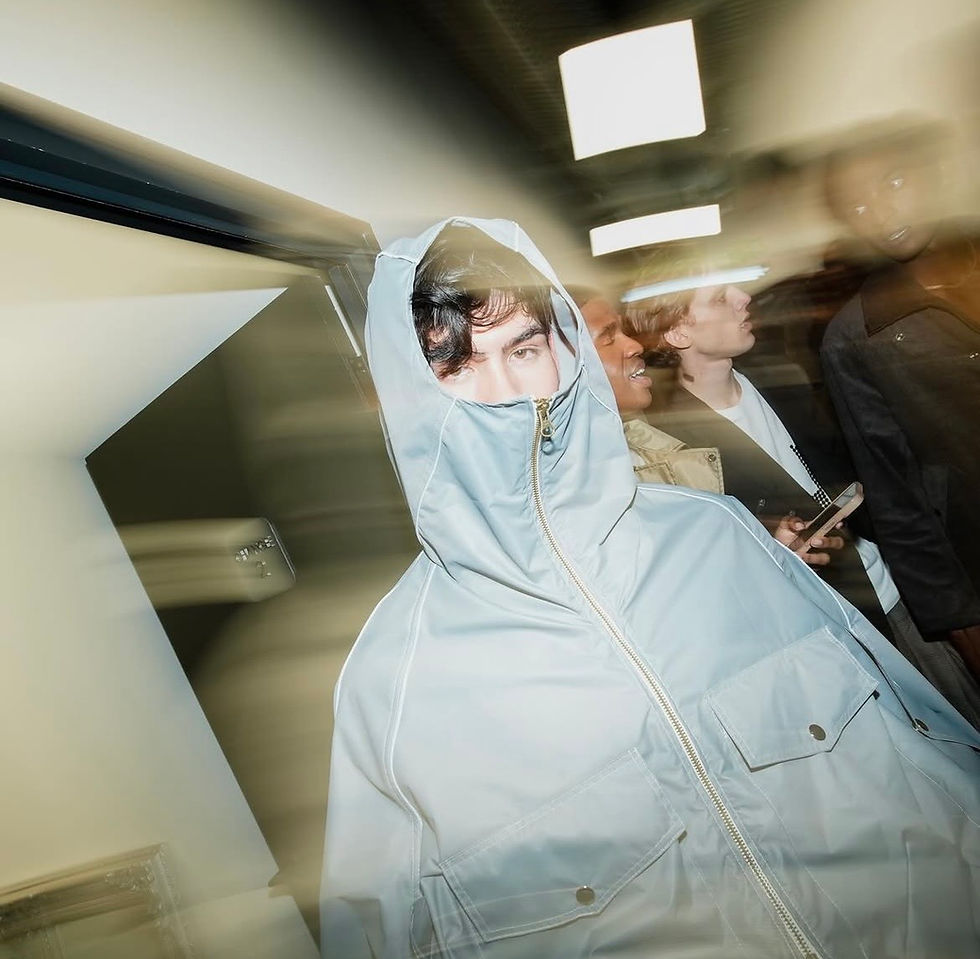
Cape Town’s Longkloof Precinct became the center of African fashion innovation from 24–25 April 2026 as more than 30 designers gathered for the Autumn/Winter 2026 collections under the newly expanded Week of Fashion South Africa (WOF).
Formerly known as South African Menswear Week (SAMW), the platform’s latest edition reflected a significant evolution one that moves beyond menswear to embrace a broader and more inclusive vision for African fashion. Featuring 33 designers across two days, the event highlighted the growing strength, diversity, and international relevance of African design. Collections ranged from structured tailoring and contemporary streetwear to heritage-inspired craftsmanship and experimental silhouettes, illustrating how African creatives are increasingly shaping global fashion conversations while remaining rooted in cultural identity.

The rebrand from South African Menswear Week to Week of Fashion signals more than a visual or structural change. It represents a deliberate repositioning of the platform as a cultural and commercial space that accommodates a wider spectrum of designers, aesthetics, and narratives. The shift was evident throughout the weekend as collections challenged traditional boundaries between menswear and womenswear while exploring themes of identity, sustainability, and African authenticity.
Among the standout presentations was Imprint’s EMBO collection, which paid tribute to Africa’s textile heritage through bold craftsmanship and layered storytelling. The collection merged sustainability with cultural symbolism, presenting garments that carried both historical influence and contemporary appeal. Through textured fabrics and intentional detailing, Imprint reinforced the idea that African fashion can preserve heritage while existing confidently within luxury and global fashion spaces.

Jozi Collective also captured attention with a collection inspired by 1980s fashion, reinterpreted through a modern lens centered on feminine power and autonomy. Strong silhouettes and dramatic structures transformed the runway into a visual statement on confidence and control, adding another dimension to the broader conversation around representation and identity within African fashion. Emerging brands further contributed to the diversity of the showcase.
Casa O SHIAFI debuted Unbound, a collection focused on intentional masculinity and individuality, while several designers incorporated Afrogrunge influences, street-inspired aesthetics, and expressions of Black pride into their collections. Together, the designers demonstrated the versatility of African fashion and the refusal to be confined to a single narrative or aesthetic.
Beyond the runway, Week of Fashion positioned itself as a meeting point for buyers, creatives, media, and industry professionals looking to engage with emerging African talent. For many designers, the event created opportunities to establish industry connections and gain exposure within an increasingly competitive global market. Audience responses across both days suggested a growing demand for African fashion experiences that feel polished, intentional, and internationally aligned without losing cultural authenticity.

Leon Haasbroek, COO of The Week of Fashion South Africa, described the platform as an evolving ecosystem rather than a single fashion event. According to Haasbroek, the long term vision is to reconnect sectors of the industry that have historically operated independently while expanding the cultural and commercial impact of the platform. Founder and Creative Director Simon Deiner noted that the season represented the beginning of a broader vision for the future of African fashion presentation.
While balancing designers, guests, and production demands ahead of the platform’s larger relaunch in October, he emphasized the importance of creating a designer centered environment informed by international production standards and local creative communities.

As Week of Fashion South Africa prepares for its Spring/Summer 2027 collections in October, the Autumn/Winter 2026 season has already established a new benchmark for the platform. More than a showcase of garments, the event reflected the continued rise of African fashion as a force capable of influencing global style, culture, and creative direction on its own terms.



Comments