Nairobi Fashion Week Season Eight: From Showcase to Infrastructure
- Sagesse Toywa

- Feb 16
- 2 min read
Updated: Feb 20

The era of framing African fashion as “emerging” has expired.

What unfolded at Nairobi Fashion Week Season Eight was neither a bid for visibility nor a plea for validation. It moved with the composure of a platform that no longer seeks a seat at the table, having built its own room.

This season did not attempt to prove relevance. It assumed it.


In an industry still recalibrating after cycles of aesthetic fatigue and overproduction, Nairobi is not searching for meaning from a place of deficit. It is responding from a different foundation entirely.

Nairobi Fashion Week is no longer a calendar event. It is operating as infrastructure.


Designers are not creating in isolation. They are building within integrated ecosystems where beadworkers, textile artisans, and stylists are not ornamental additions but structural components. This is not craft as embellishment. It is a craft as a system.


Elsewhere, sustainability is positioned as innovation. Here, it is foundational logic. Upcycling and working within material limits were operational realities long before “circular economy” became standard language in Paris.

Season eight’s quiet strength was its refusal to translate this for an outside gaze. That refusal to over-explain signals maturity.




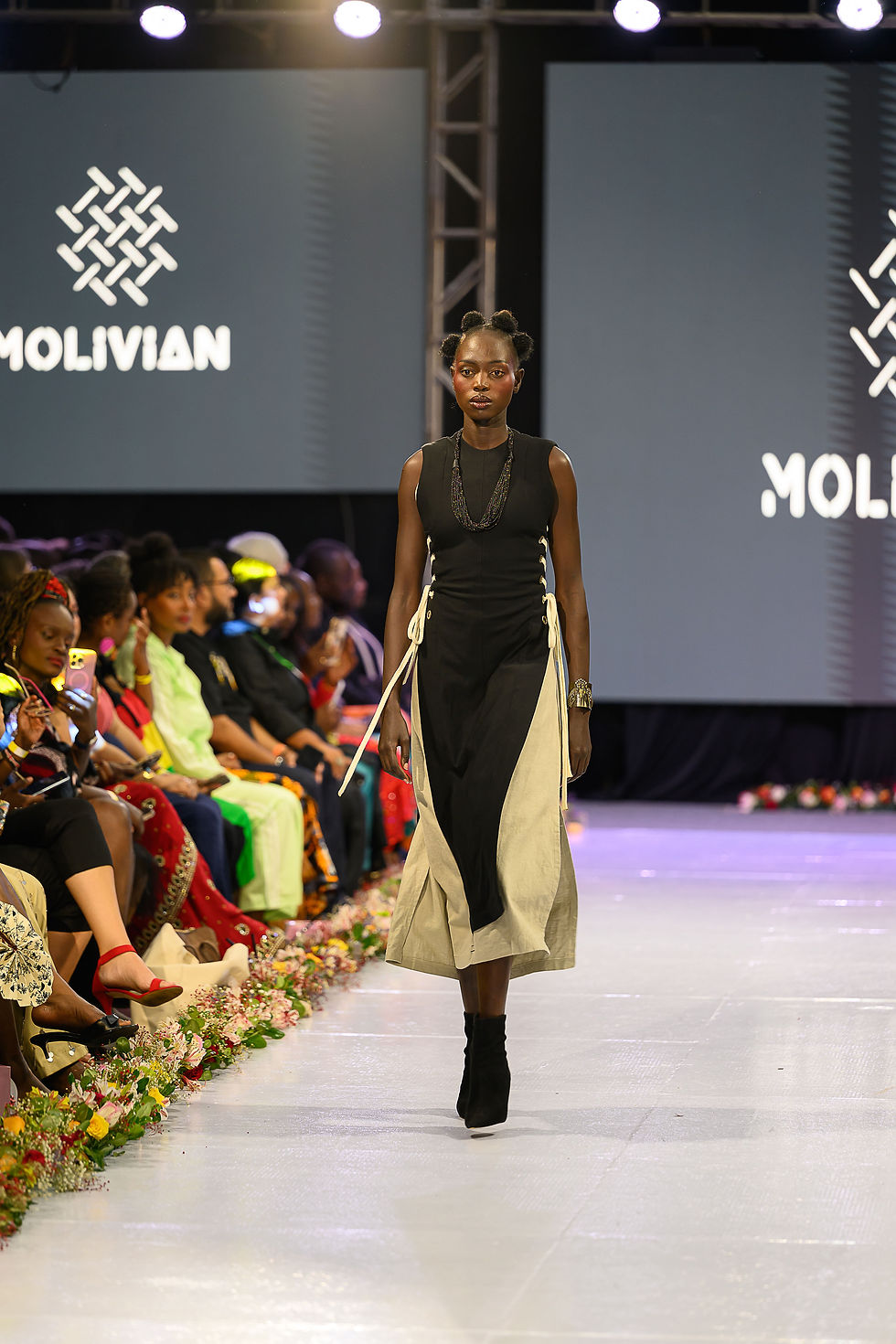
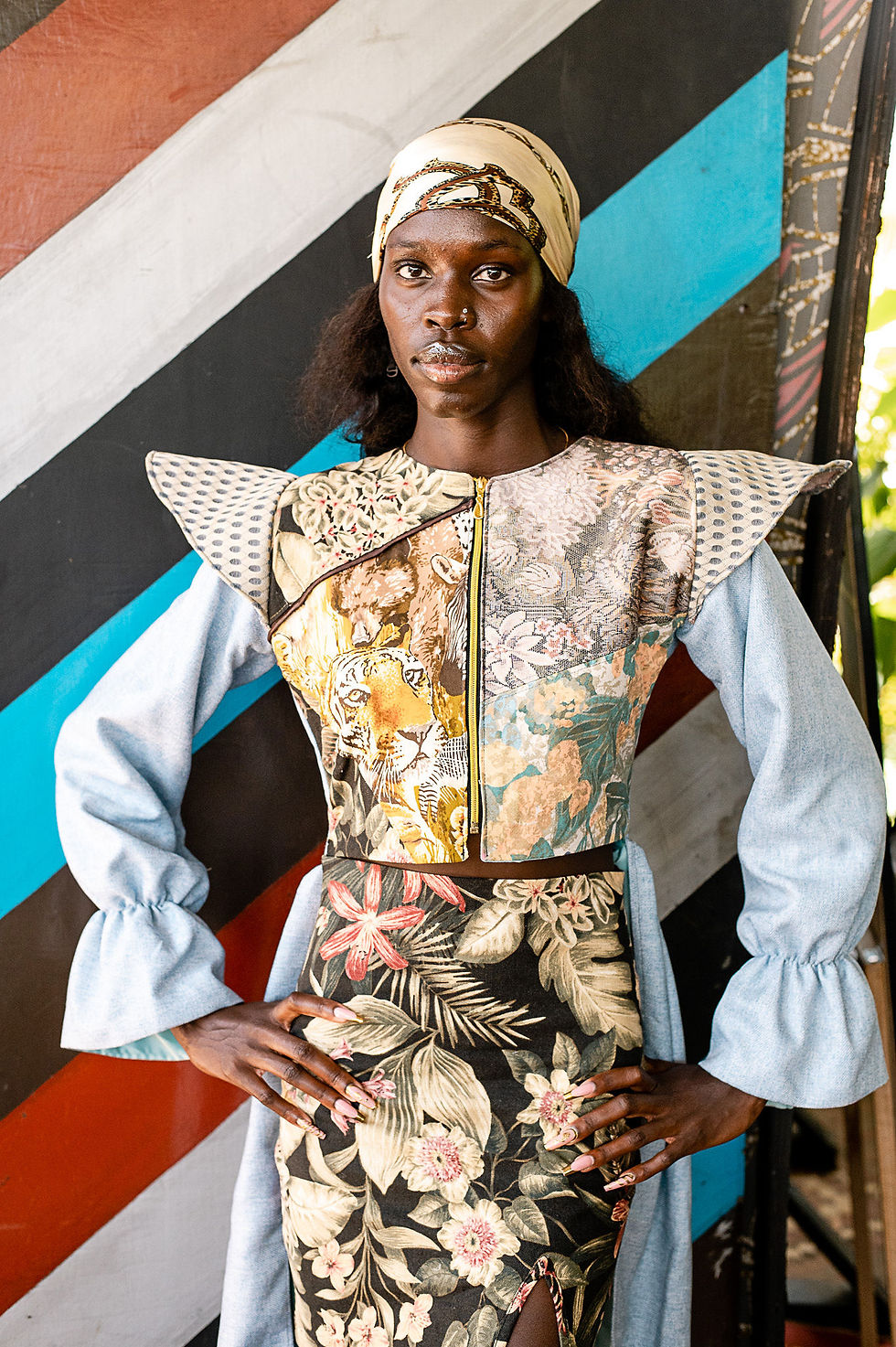
The runway reflected this structural shift through a disciplined evolution of identity. John Kaveke’s fusion of Samburu influences with Japanese silhouettes expanded origin without diluting it. Yevāana’s translation of pastoralist beadwork and Kitu Kidzo’s integration of Swahili coastal elements were not decorative references; they were structural incorporations of heritage into modern tailoring.

This is the distinction between referencing a culture and inhabiting it.
Beyond aesthetics, discipline is consolidating.

Through initiatives such as Fashion Frontier Africa, branding, finance, and retail strategy are being treated with the same seriousness as design. Nairobi is not simply producing designers; it is producing operators.

Talent without infrastructure collapses under visibility. This platform is building for scale.


For years, the global north documented African fashion as a cultural curiosity. Season eight suggested the end of that gaze: buyers were taking notes, production levels reflected long-term investment, and the tone shifted from celebration to strategy.
That shift is the signal.


Inflection points rarely announce themselves loudly. They reveal themselves through structure, composure, and confidence that exists before consensus arrives.


Season eight was not loud. It was assured.
History tends to favor those who recognize structural change before it becomes headline consensus.

The trendsetters are already watching.


Comments