Fashion as moral architecture: How Jodorry builds justice into cloth


In fashion, there are brands that design seasonal collections, and there are houses that design positions—statements of belief and intent. With Wa Bobedi (No. 2), Jodorry firmly establishes itself on the latter side.

This is not a seasonal offering disguised as social commentary. It is a philosophical act translated into cloth: thirteen looks, each functioning as a distinct character. Each rejects neutrality. Each insists that fashion can still bear memory, grief, anger, and responsibility.
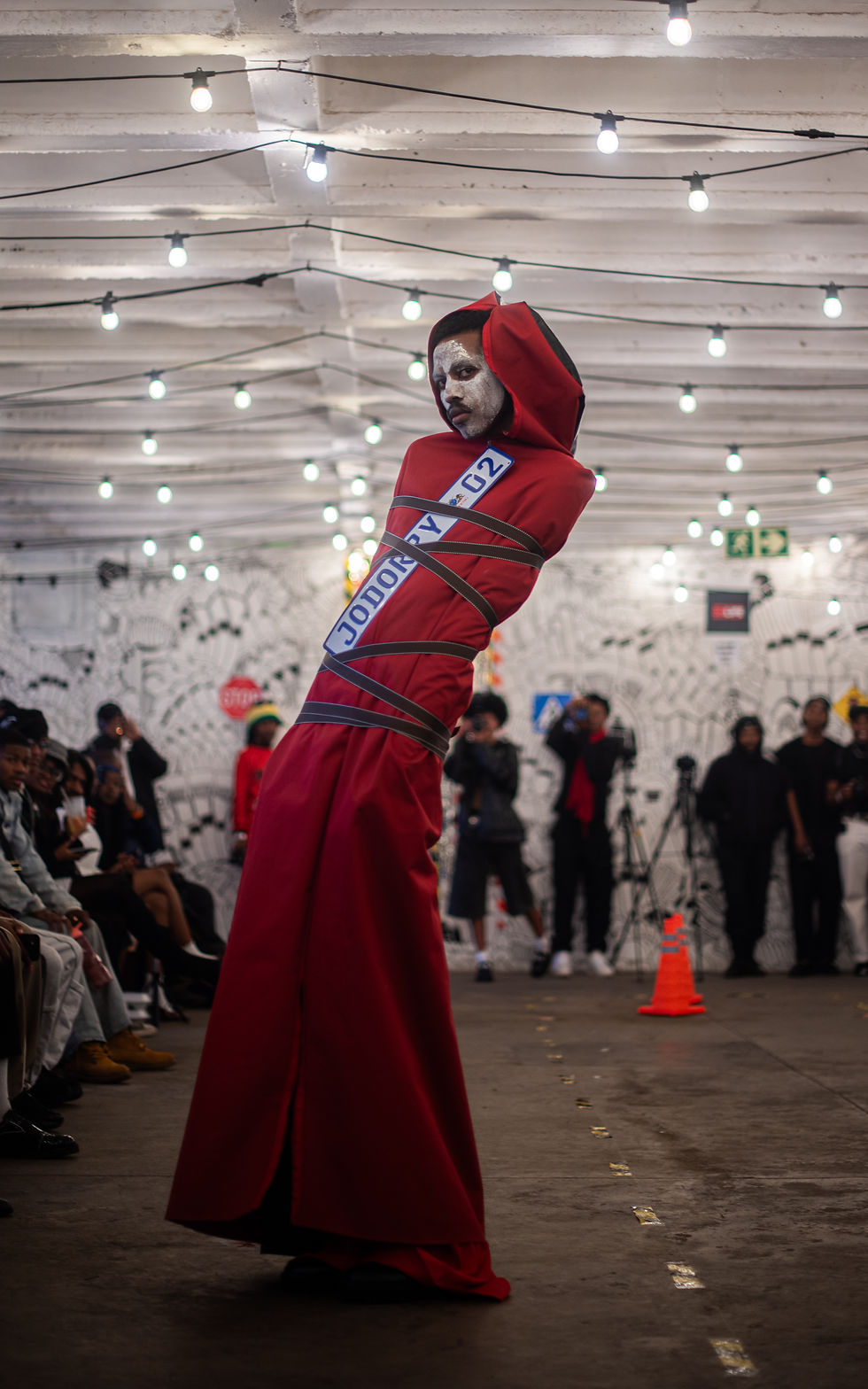
Jodorry does not ask, "What should be worn next?" It asks, "What has been left unresolved for too long?"
Fashion as Discourse, Not Mere Decoration

The collection unfolds through *dipuisano* (discourse), the first of the house's three pillars, alongside *mmetlo* (artisanship) and *tlotlo* (homage). These are not marketing buzzwords—they are ethical imperatives.

*Wa Bobedi* confronts the myth of justice in post-apartheid South Africa. It draws directly from the legacy of apartheid-era violence, particularly the unresolved crimes of Louis van Schoor, a security guard responsible for dozens of killings (many deemed "justifiable" at the time). The collection envisions a space where truth is demanded—not by a flawed state, but by spirit.

Here, Ma'at—the ancient Egyptian embodiment of truth and moral order—serves as the central axis. Invoked not as exotic fantasy, but as a corrective force in a nation still grappling with the gap between law and true justice.
This elevates Jodorry beyond symbolic fashion: the garments do not merely reference history; they argue with it.

The Colour of Blood, the Weight of Silence
Red dominates—not for dramatic effect, but as a systemic element. It shifts through stages: oxygenated, deoxygenated, drying, darkening, healing. Blood is presented as a process, never aestheticised or romanticised.

Materials include tulle, leather, velour, lace, and upholstery fabric—refabricated, defabricated, or misfabricated. Seams are left unfinished, edges raw. Burning is deliberate and controlled. Nothing is polished for easy comfort.

Fashion as Moral Architecture: Building Justice into Cloth
This is a fashion that refuses quick resolution, mirroring the unresolved nation it emerges from.

Characters, Not Mere Looks
Each garment embodies a lived condition:
- The widow is armed with mourning, not merely dressed in it.
- Missing souls appear light and translucent, still seeking acknowledgement.
- The state security figure collapses protector and threat into one form.
- The institutionalised son shows survival disguised as compliance.
- The activist rejects the illusion of "moving on."
Additional archetypes—the shaman, clergyman, orphan, and bourgeois figure—expose varied coping mechanisms in the wake of structural violence.
Maat closes the narrative, offering balance without forgiveness: a reminder that justice does not expire with perpetrators.
Jodorry as a House of Refusal

What makes Wa Bobedi profound is not just its research, but its refusal to dilute. There is no bid for palatability, no translation of pain into trends, no anxiety over commercial appeal. This is fashion that knows its limits yet chooses to speak. Jodorry positions itself not as a label chasing relevance, but as a studio of concepts—where garments become documents, arguments, and acts of remembrance. In a industry that often borrows struggle as aesthetic currency, Wa Bobedi demands something harder: accountability.
In doing so, it proves that fashion need not shout to be radical. Sometimes, it only needs to be precise.



Comments